Meet the Artist—Collins Family

Meet the Artist—Collins Family
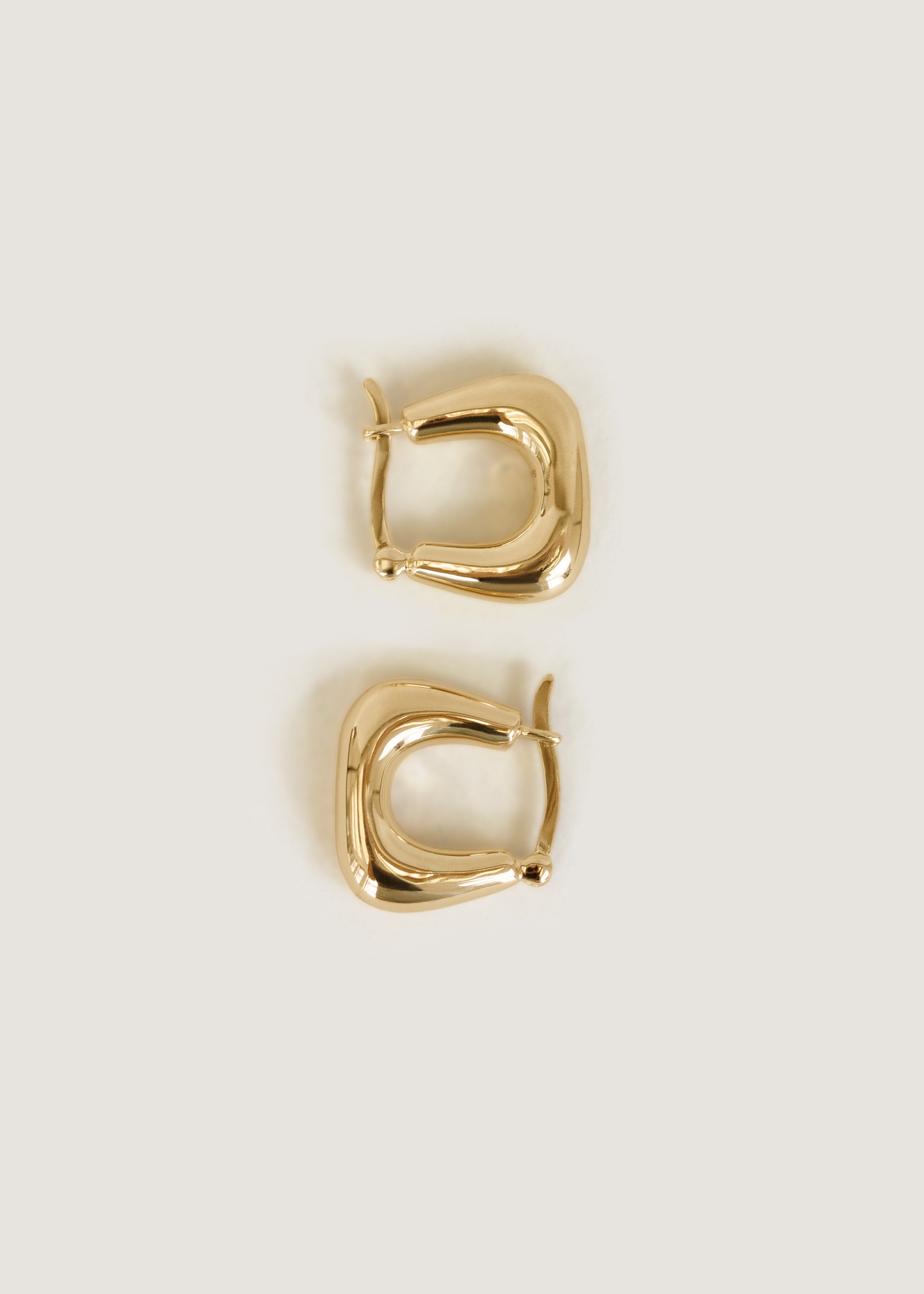
Seven generations ago, Newton Isaac Collins bought 130 acres in Texas just years after slavery ended, and that single decision became a legacy of Black landownership that Ernest and Floretta Collins have spent their lives protecting, expanding, and preparing to hand forward. We chatted with them about what it actually takes to carry something like that across generations, the sacrifice, the stewardship, and the belief that what you inherit means nothing until you understand why it exists. Their story is the truest expression of what Kinn believes about the pieces we make, gold reshaped by a life rather than replaced by one, and we are honored to share it as part of Unbridled.
Q: Every ranch carries its own history. Tell us the story of how Red Hill Ranch came to be, and how it's stayed in your family since.
A: Red Hill Ranch really began long before either of us was born. Ernest's great-great-grandfather, Newton Isaac Collins, purchased 130 acres of land in Texas in 1871, just a few years after slavery ended. In 1891 he purchased 506 acres Southeast of Austin at Pilot Knob, Texas. Later generations continued buying land, and that created a legacy of Black landownership that has now lasted seven generations.
We both grew up on farms in Texas, so land was always part of our lives. Ernest grew up near Austin, and Floretta grew up in Bay City on land her family purchased in 1940 and still owns today. We met at Prairie View A&M in 1965, and although our careers eventually took us away from Texas, we never lost that connection to the land. Red Hill Ranch became our opportunity to continue that legacy in our own way. For years, we had a picture in our minds of what we wanted—a beautiful piece of land with rolling hills, water, cattle and enough room for our children and grandchildren to come home and enjoy it. It took decades of working, saving, investing and sacrificing to make that vision a reality.
Today, Red Hill Ranch is about 800 acres, but we've never measured its value simply by the number of acres. Its real value is in what happens here, It’s our family compound. It's where our family gathers, where our grandchildren learn, where students come to see what's possible, and where another generation can develop a relationship with the land. Ernest's grandfather used to tell him, "Get you some dirt, boy. They're not making any more of it." We listened. And we've tried to teach our family that owning something isn't enough, you have to take care of it so the next generation receives something better than what you received.
Q: You built a life and career away from ranching before eventually returning to it. What pulled you away in the first place, and what pulled you back?
A: Education pulled us away, but family and the land eventually pulled us back. Growing up, Ernest saw how hard his parents and grandparents worked. Farming meant cotton, corn, long days and very little rest. As a young man, education looked like a way to experience a different life. He used to say that education offered a "great escape."
After Prairie View, Ernest served as an Army officer and then spent 34 years building a career with what became ExxonMobil. Floretta devoted 39 years to education as a teacher, guidance counselor, counselor, assistant principal, and college advisor. Our careers took us to different parts of the country and gave us experiences our parents could only have imagined. But something interesting happens as you get older. Sometimes the very thing you couldn't wait to leave becomes the thing you appreciate most.
We realized that we didn't want to escape our roots—we wanted to build on them. Ernest also discovered that he didn't necessarily love growing cotton and corn, but he loved cattle, horses and the land. Floretta had always loved farm life. So we took what our parents taught us, combined it with what education and our careers taught us, and created a life that incorporated both worlds.
Coming back wasn't going backward. It was coming home with more knowledge, more resources and a greater appreciation for what our parents and grandparents had given us.
Q: You've run this operation together, as partners, for decades. What does it actually take to build something like this side by side?
A: It takes love, patience, sacrifice and a willingness to stay committed to the same vision even when you don't always agree on how to get there.
We met as students at Prairie View in 1965 and have essentially grown up together. Through careers, raising children, moving around the country, buying land and eventually building Red Hill Ranch, we've always approached life as a partnership.
But partnership doesn't mean doing everything the same way. We have different strengths. Ernest loves the cattle, the business of ranching and figuring out how the operation works. Floretta has always had a heart for people, education and making the ranch a place where family and others feel welcome.
We've learned to respect those differences. When we work together, good things happen.
Building anything worthwhile together also requires sacrifice. There were plenty of things we could have spent money on instead of buying land. There were easier ways to spend weekends than working on a ranch. You have to decide what's important to you and then align your time and your money with that decision. Most importantly, we've always believed that family comes first. When you're building for something larger than yourself, it becomes easier to make the sacrifices along the way.
Q: Every generation inherits some knowledge and has to build on it. How much of the way you run this place today is what you learned early on, and how much have you figured out on your own along the way?
A: The foundation came from our parents and grandparents. The methods have changed. We learned early that land requires stewardship. Cattle have to be cared for. Fences have to be repaired. Grass and water have to be managed. And there are no shortcuts around hard work. Those principles haven't changed.
But ranching today isn't exactly the ranching we grew up with. Equipment is better. Technology is better. We have access to information, agricultural specialists, conservation programs and organizations that our parents didn't have. We've learned from groups like 100 Ranchers and from agricultural and conservation professionals, and we've never been afraid to ask someone who knows more than we do.
That's another lesson we've tried to pass along: You don't have to know everything to begin. You have to be willing to learn. Our parents gave us the foundation. Education expanded our possibilities. Experience taught us the rest.
Each generation should do the same thing, respect what was handed to you, learn everything you can, and then improve it before you hand it to somebody else.
Shop—Unbridled